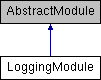
This is the Logging Module.
More...
#include <LoggingModule.hpp>
|
| | LoggingModule (uint64_t instanceId) |
| |
| | ~LoggingModule () |
| |
| virtual void | handleModuleStateChange (std::shared_ptr< zmf::data::ModuleHandle > changedModule, zmf::data::ModuleState newState, zmf::data::ModuleState lastState) override |
| |
| virtual void | handleEvent (const zmf::data::ZmfMessage &message, const zmf::data::ModuleUniqueId &sender) |
| |
| virtual void | disable () |
| |
This is the Logging Module.
All ZMF Events (only the pub/sub ones) will be stored in a database. The Logging Module will subscribe to all Events and write them to the database.
- See Also
- CassandraClient
- Author
- Rainer Erban
| LoggingModule::LoggingModule |
( |
uint64_t |
instanceId | ) |
|
Constructor with instance id
- Parameters
-
| instanceId | the id of the instance |
| LoggingModule::~LoggingModule |
( |
| ) |
|
| void LoggingModule::disable |
( |
| ) |
|
|
virtual |
Called when the module should disable itself. Must stop the module (threads etc.).
| bool LoggingModule::enable |
( |
| ) |
|
|
protectedvirtual |
Called when the module should enable itself. Must initialize and start the module. First, there will be a connection to the database initialized. Second, there will be a subscription to all kinds of events.
- Returns
True if enable is successful, False if enable is failed or rejected
| void LoggingModule::handleEvent |
( |
const zmf::data::ZmfMessage & |
message, |
|
|
const zmf::data::ModuleUniqueId & |
sender |
|
) |
| |
|
virtual |
| void LoggingModule::handleModuleStateChange |
( |
std::shared_ptr< zmf::data::ModuleHandle > |
changedModule, |
|
|
zmf::data::ModuleState |
newState, |
|
|
zmf::data::ModuleState |
lastState |
|
) |
| |
|
overridevirtual |
Optional: Handle state changes of other modules
- Parameters
-
| changedModule | the module which change his state |
| newState | the new state of the module |
| lastState | the old state of the module |
The documentation for this class was generated from the following files:
 1.8.6
1.8.6 
